Acres of Farm

Modern Equipments

Expert Members

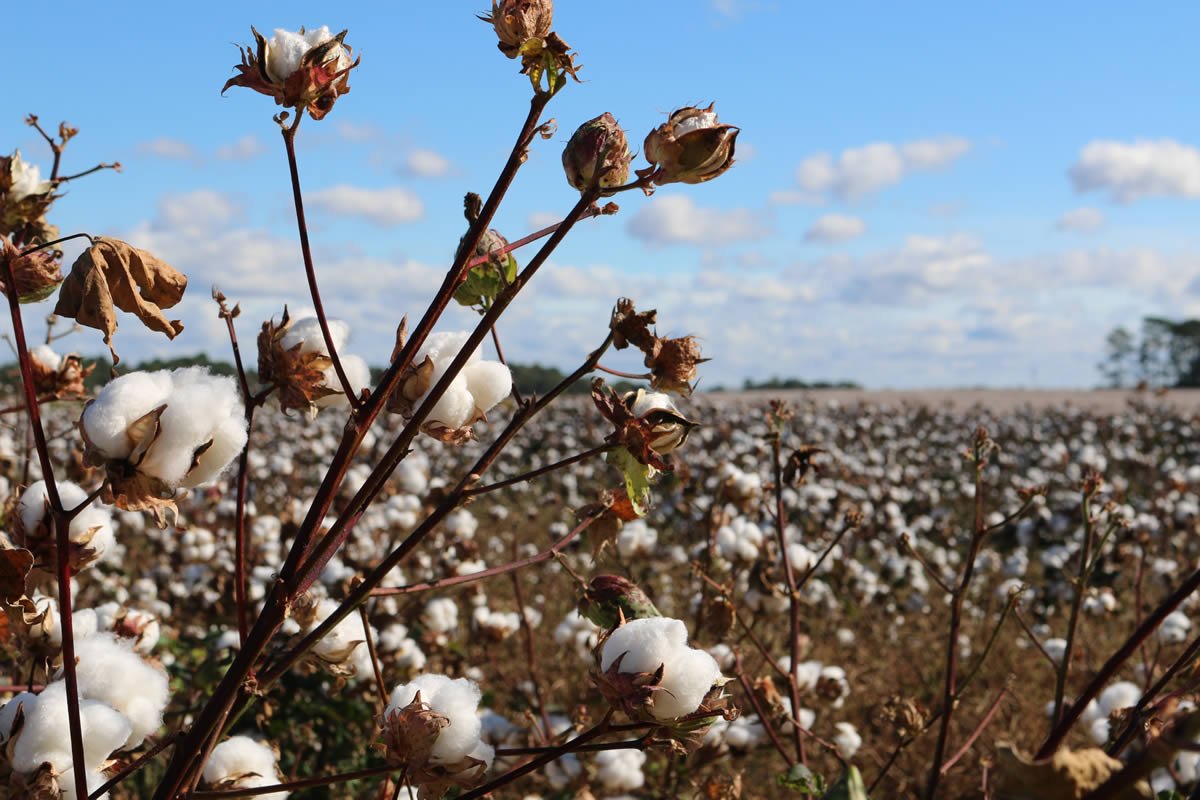
Cotton is a major global crop valued for its natural fiber and useful by-products; its fiber is used in textiles...
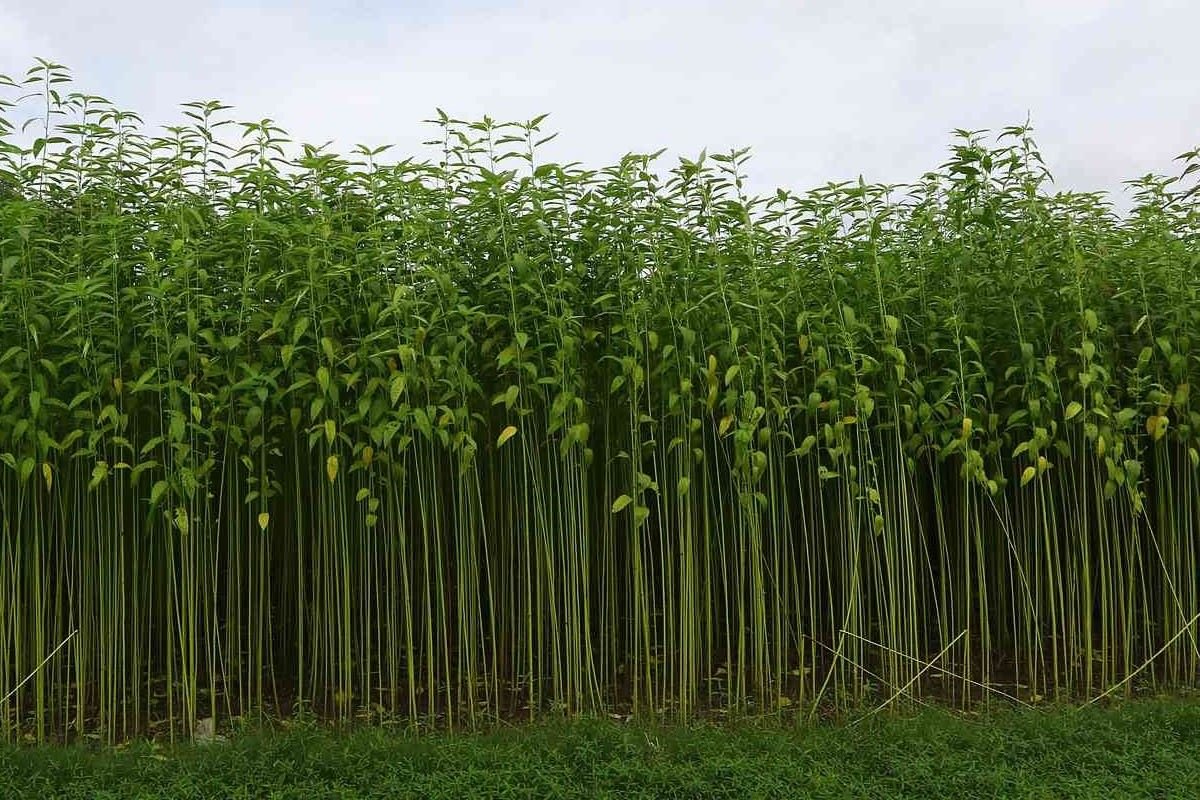
Jute is a major natural fiber crop grown mainly in South Asia, valued for its strong, biodegradable fibers...
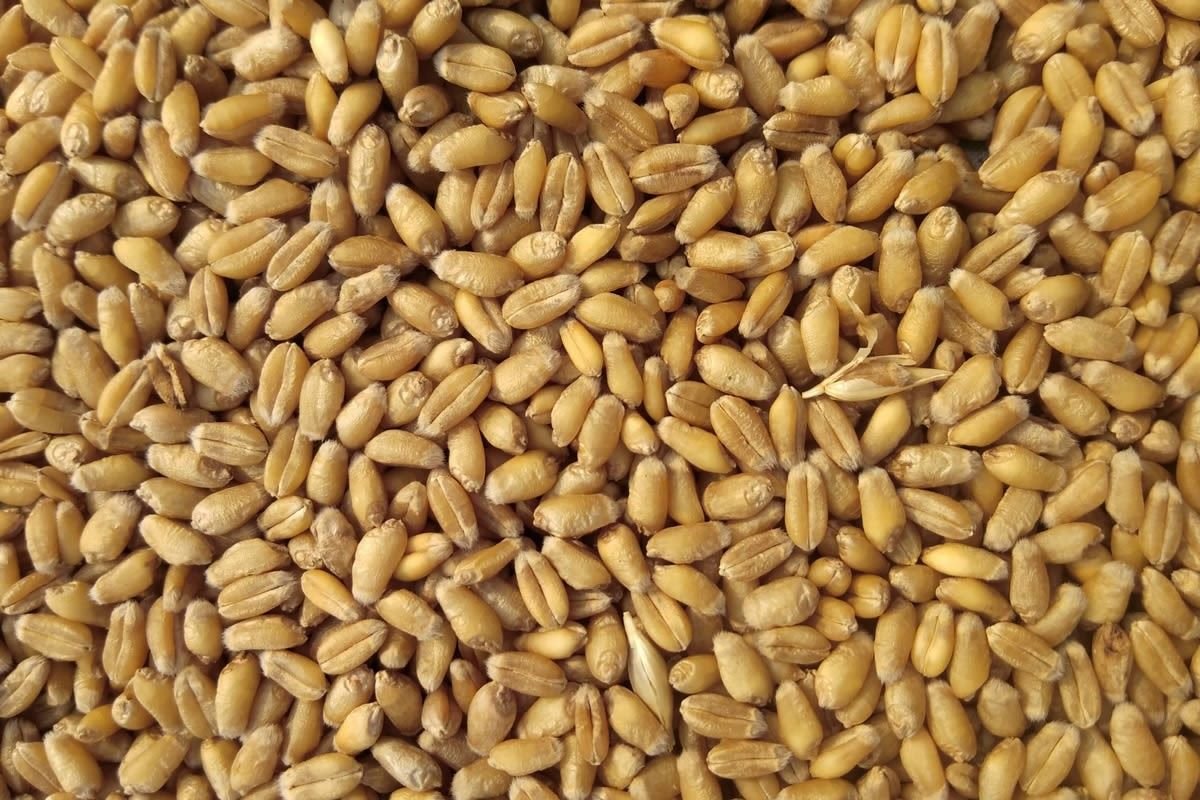
Wheat is a globally important cereal crop from the genus Triticum, providing grain for flour, food, and animal feed....
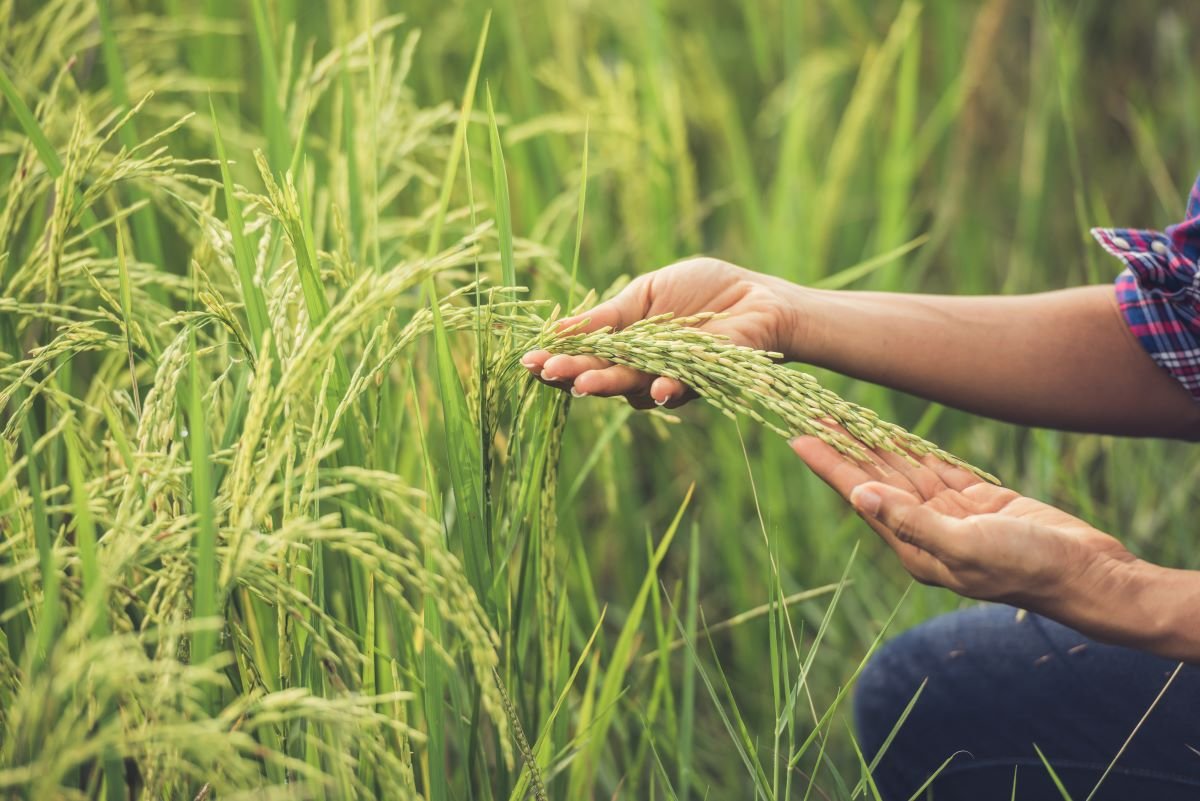
Rice (Oryza sativa) is a vital global staple crop grown in warm, water-rich regions, with harvested paddy milled into...
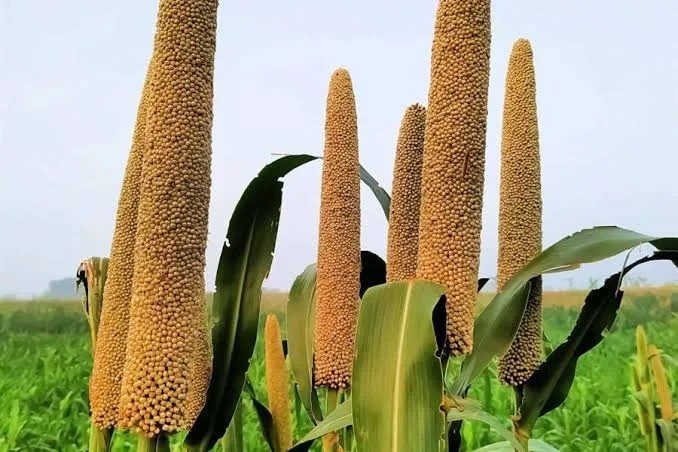
Millets are a group of smallseeded grasses cultivated globally as cereal crops, known their resilience...
Rice (Oryza sativa) is a vital global staple crop grown in warm, water-rich regions, with harvested paddy milled....
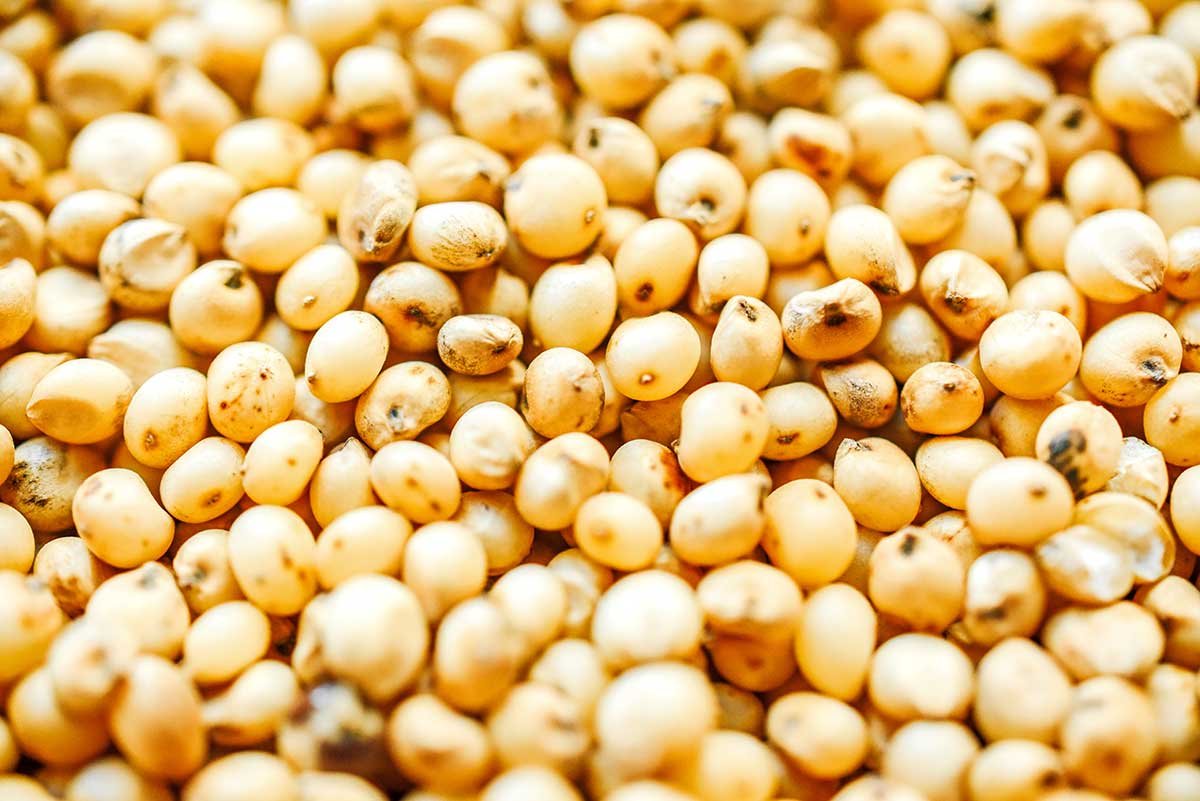
Sorghum is a versatile and resilient cereal crop, primarily grown for its grain and used in various food products....
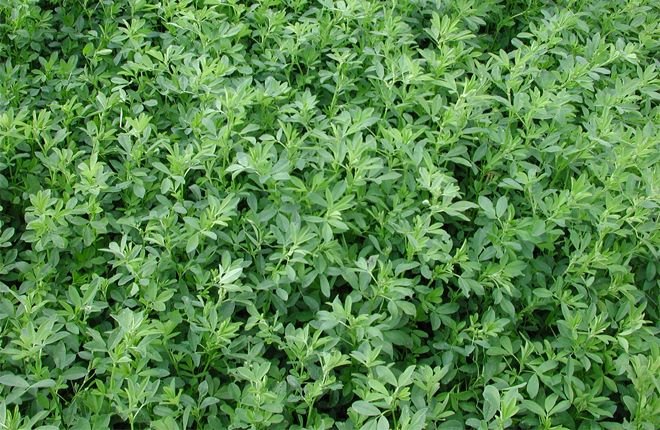
Alfalfa (Medicago sativa), also known as lucerne, is a perennial legume widely grown as a high-quality forage crop for grazing...
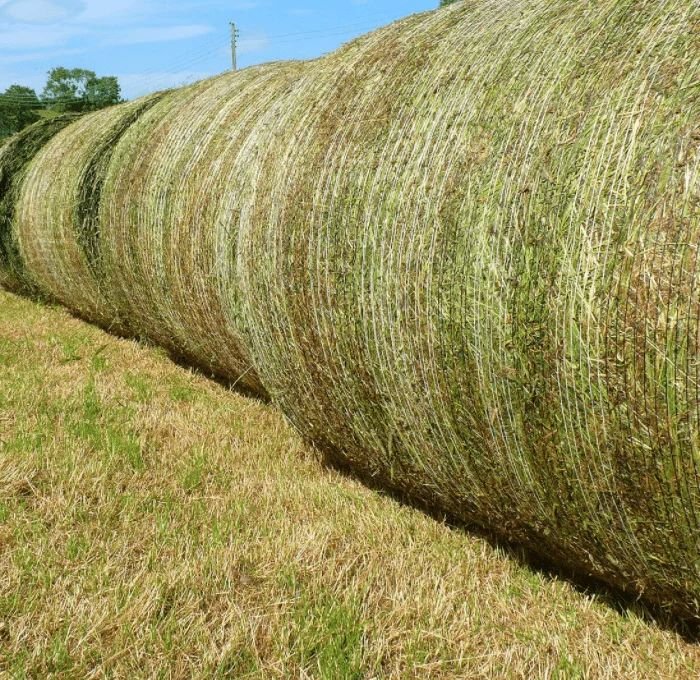
Rhodes grass is a tufted perennial that grows 0.5–1.2 meters tall and spreads by stolons, allowing it to cover ground quickly...
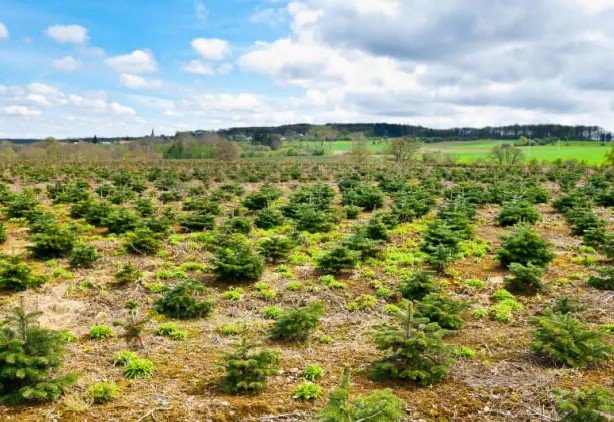
Afforestation is the process of planting trees on land that was previously not covered by forests, such as barren...
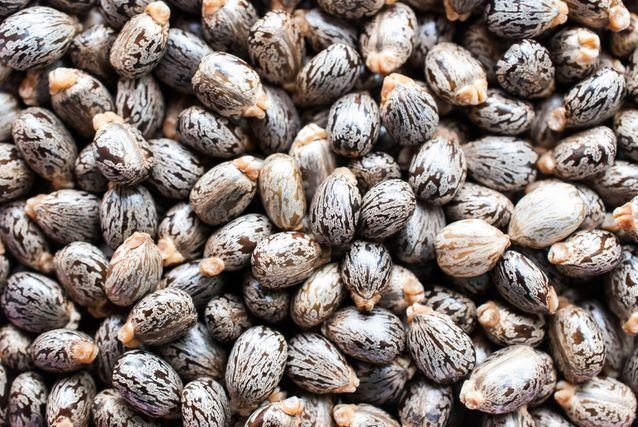
Our premium quality castor beans are carefully harvested, cleaned, and dried to ensure high oil content....
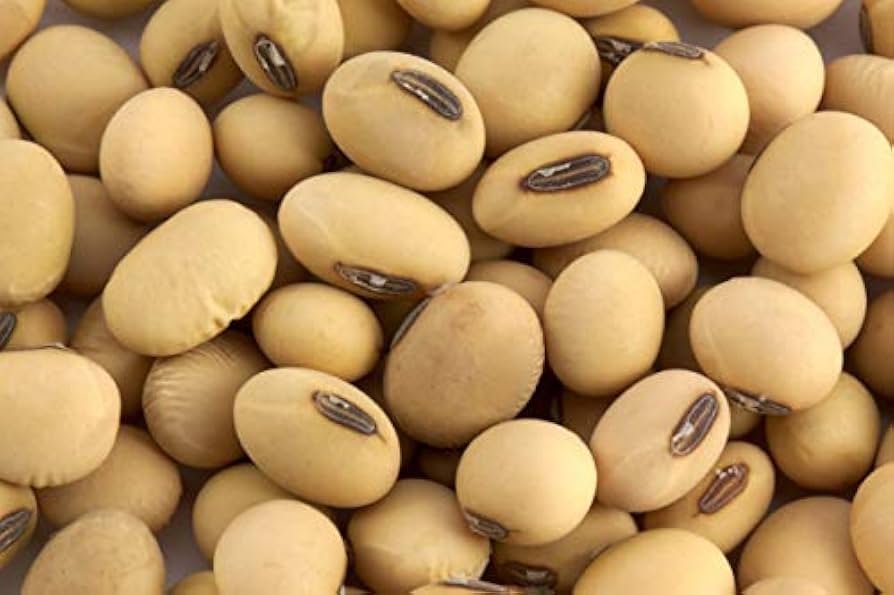
Our high-quality soybeans are carefully harvested, cleaned, and graded to ensure maximum protein content....
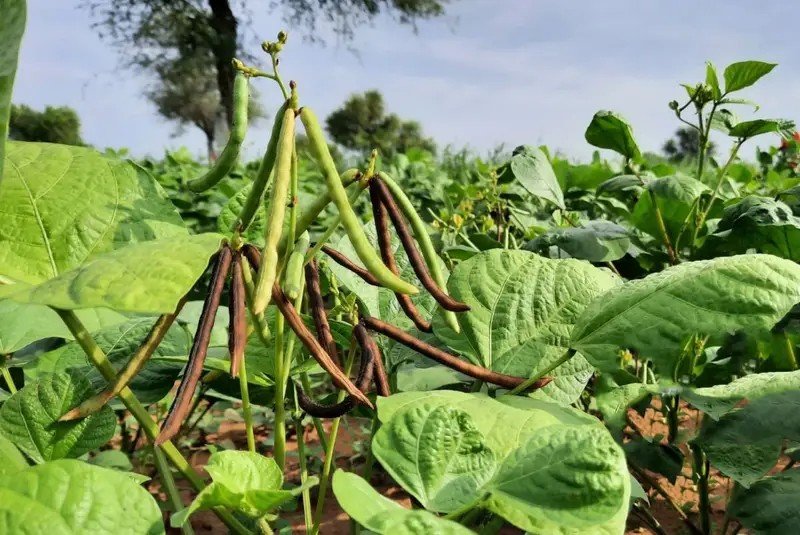
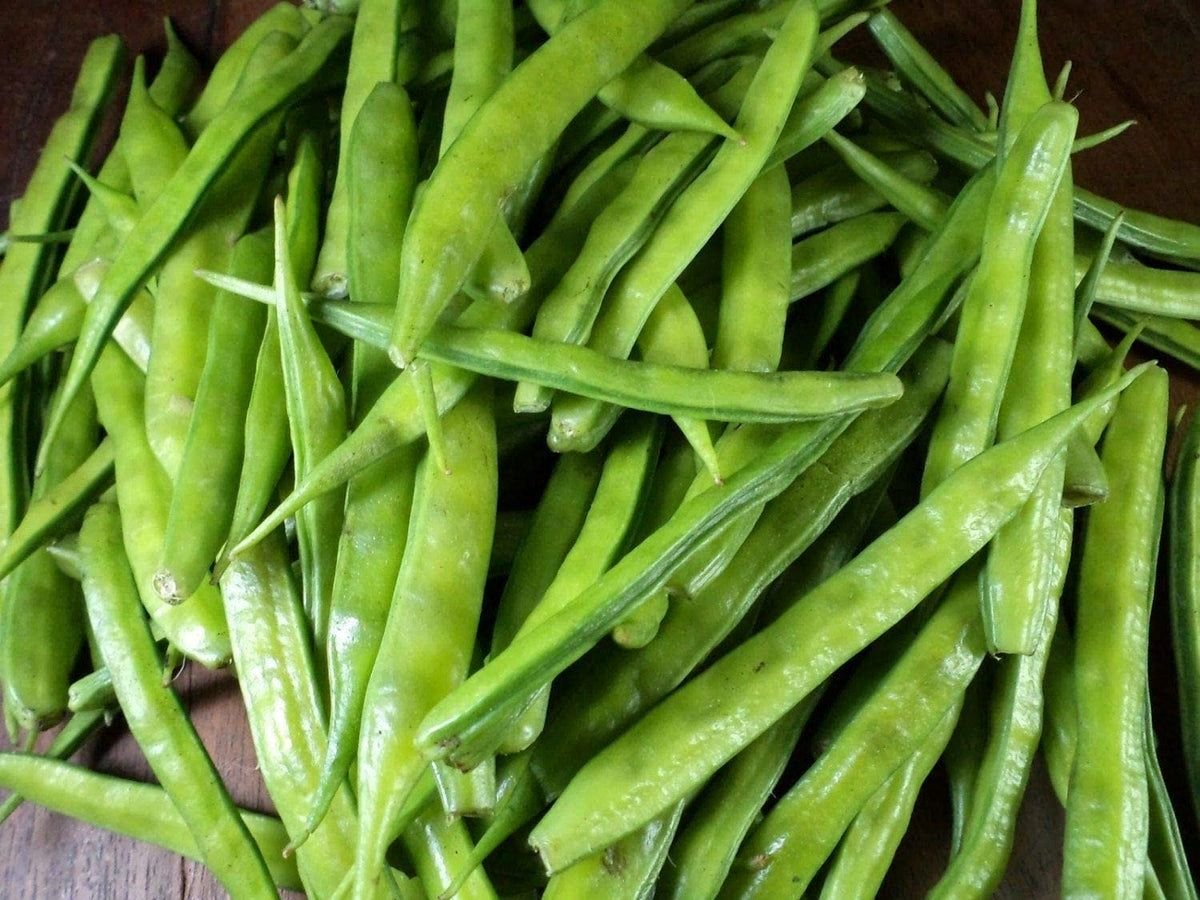
Guar (Cyamopsis tetragonoloba), or cluster bean, is a drought-tolerant legume widely grown in arid regions of India and Pakistan...
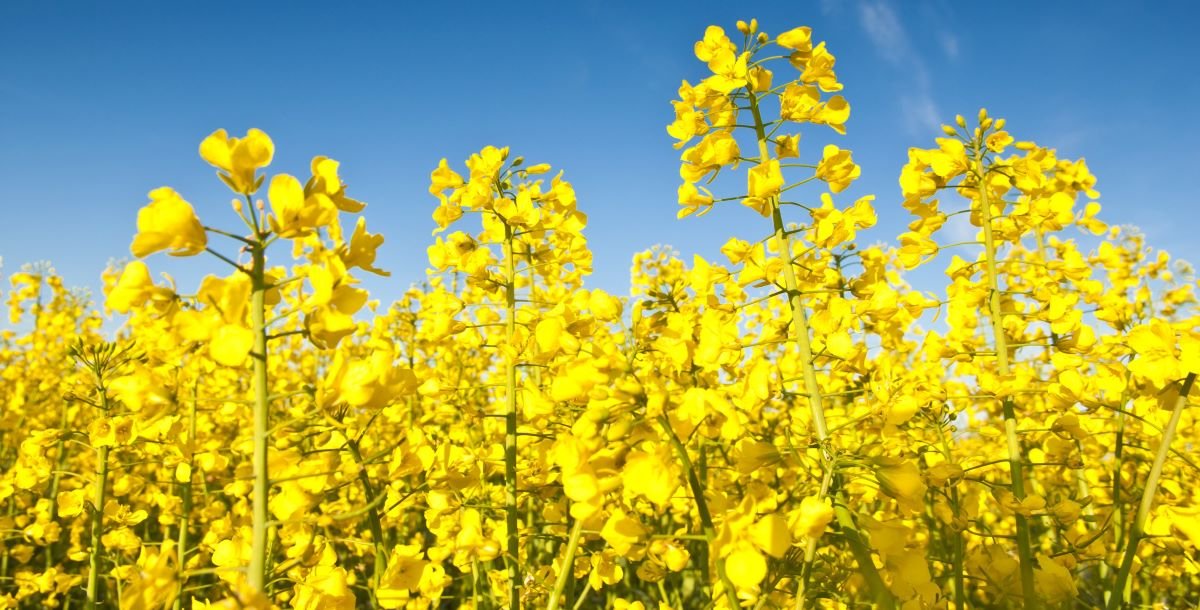
Our high-quality mustard are carefully harvested, cleaned, and graded to ensure maximum protein content, oil yield....
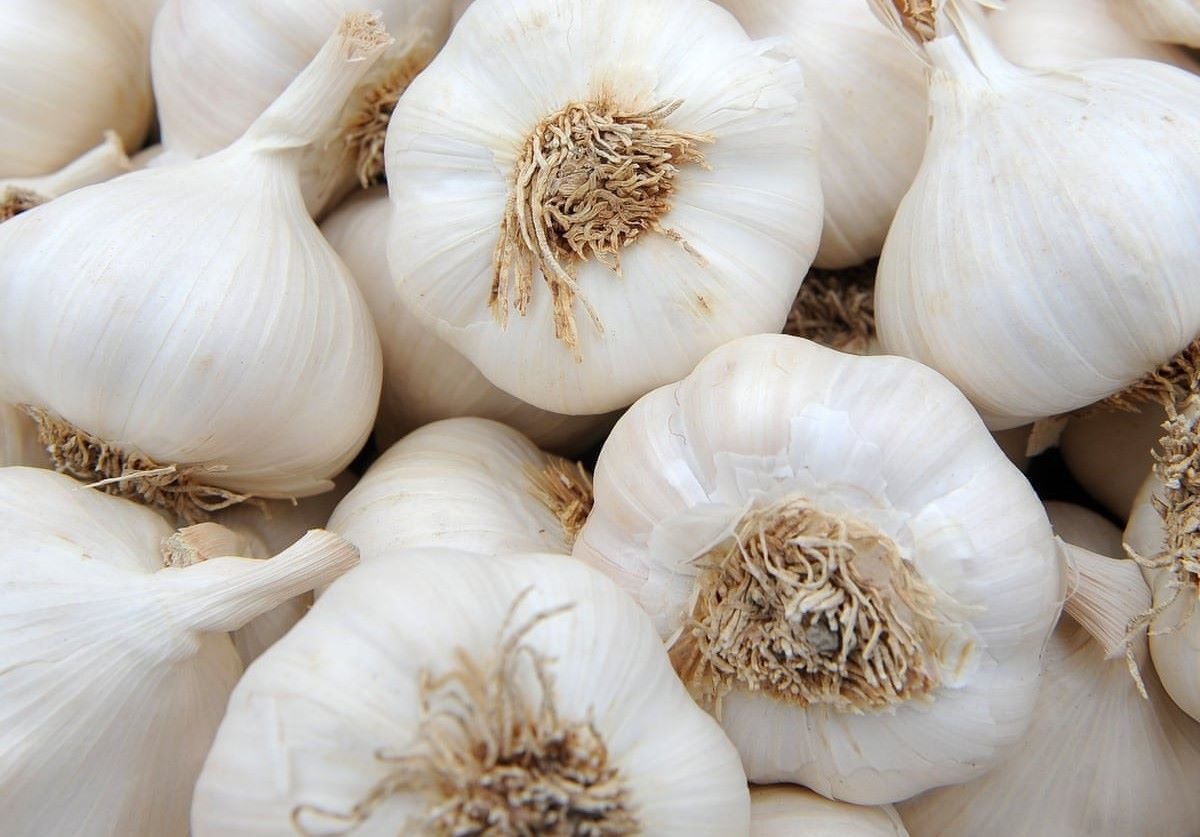
Onions grow best in loose, well-drained soil with full sun and are planted from seeds or sets in early spring or fall....
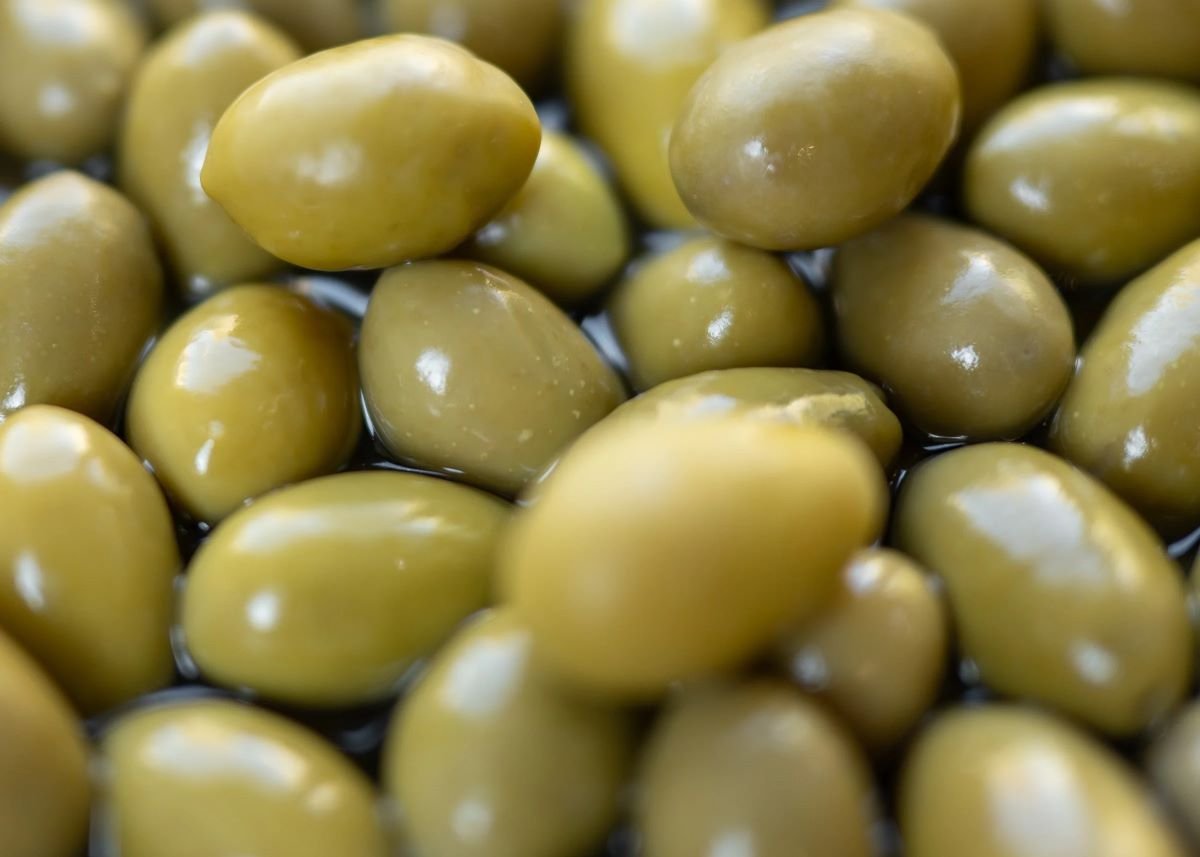
Our high-quality olives are grown under ideal climatic conditions and carefully harvested to ensure maximum oil content....
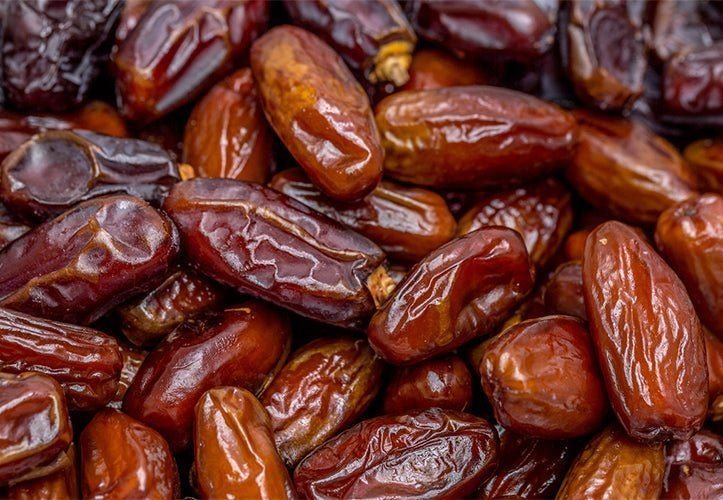
Our high-quality dates are grown in ideal climatic conditions and carefully harvested, cleaned, and packed to ensure....
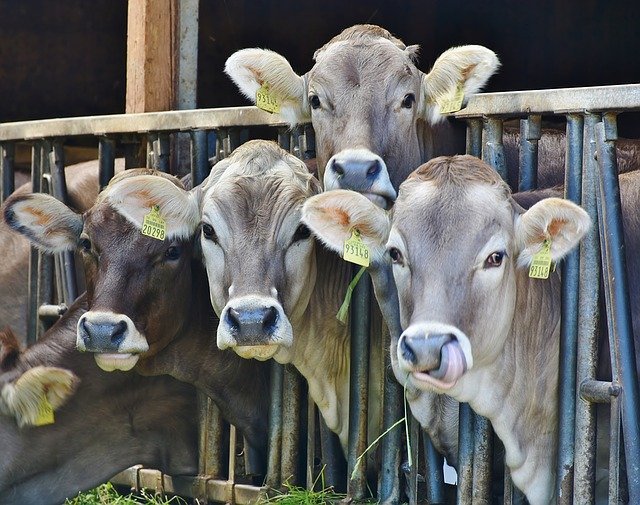
Our cattle farm operates with a strong focus on animal welfare, productivity, and sustainability.
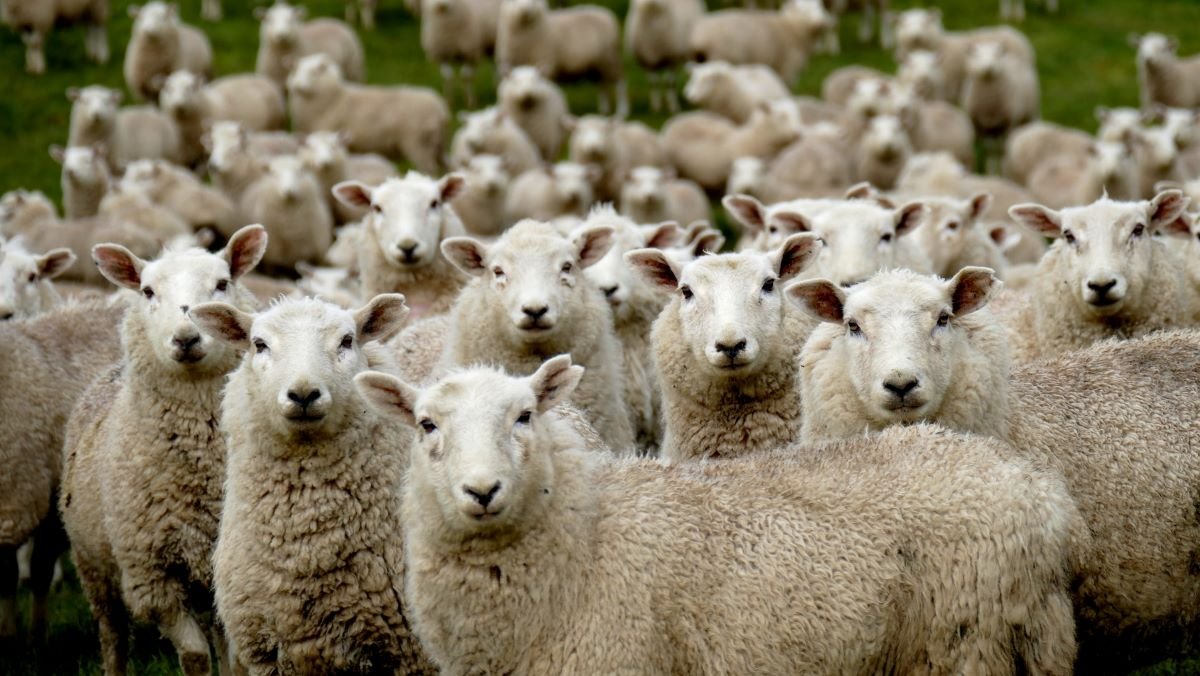
Our sheep farm is managed with a focus on animal welfare, productivity, and sustainable farming practices.
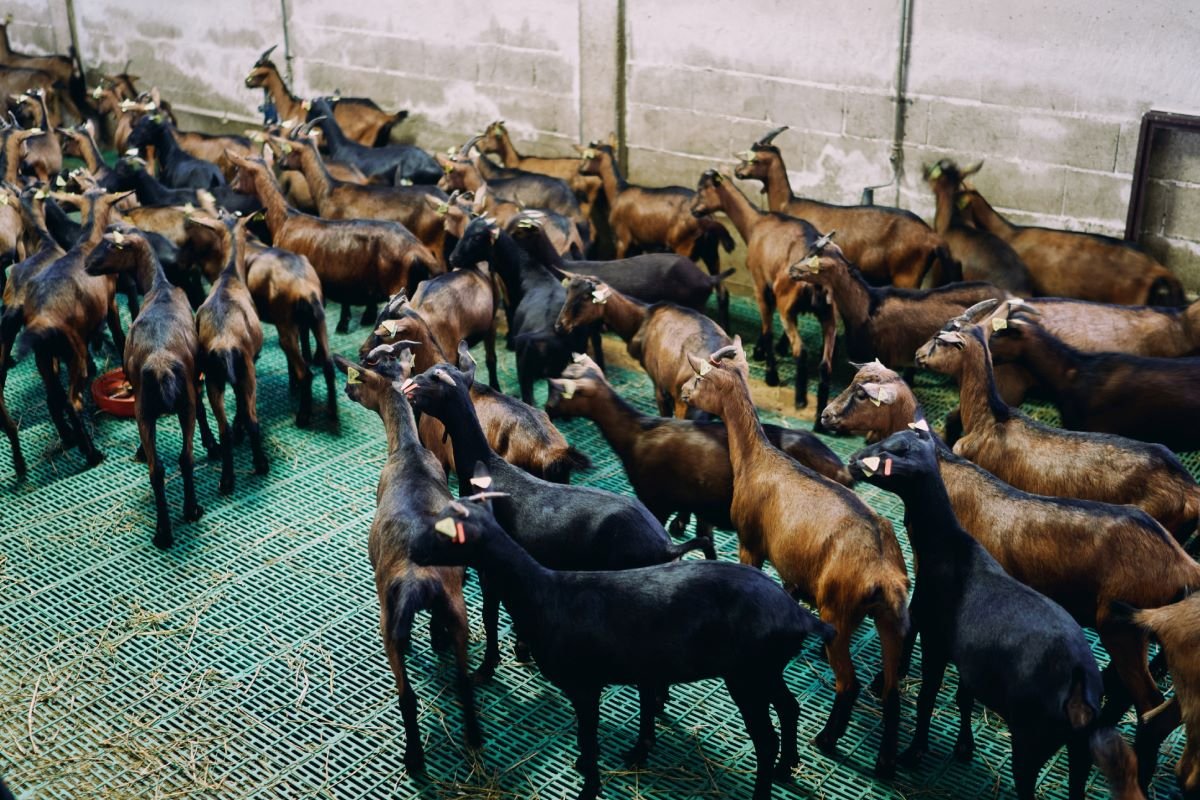
Our goat farm is managed with a focus on animal welfare, productivity, and sustainable farming practices.
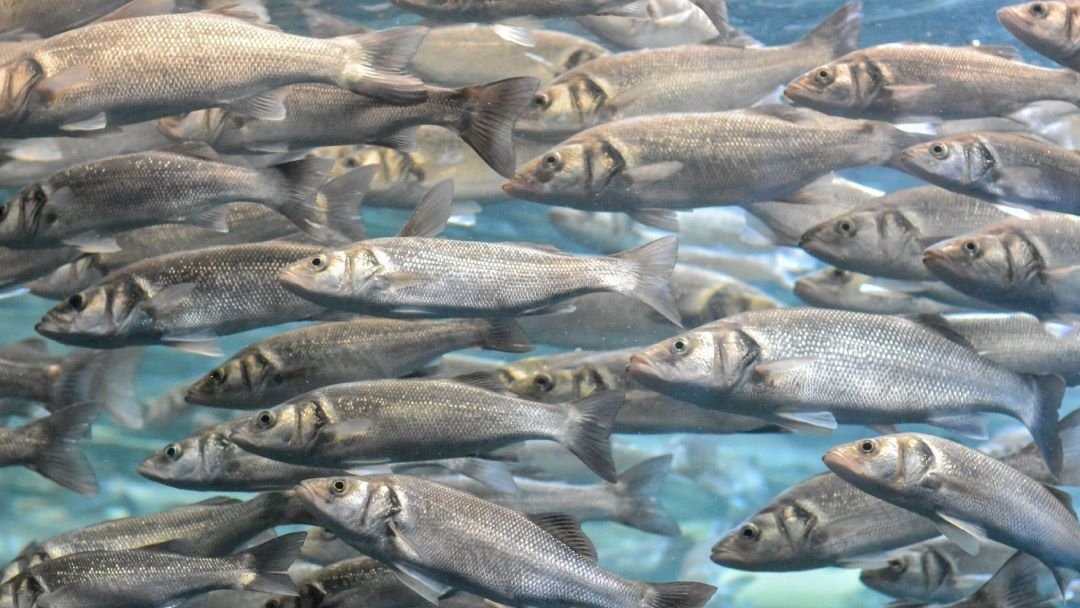
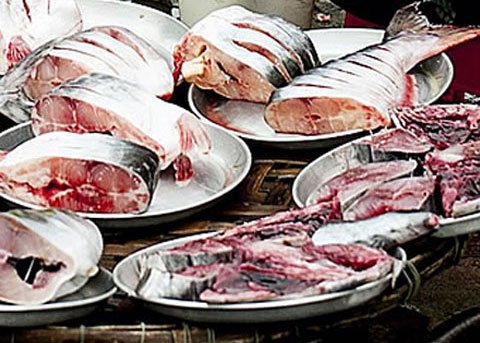
Our fish farm operates with a focus on modern aquaculture practices, water quality management....

Promoting Pakistan’s agricultural development through modern, efficient, and eco-friendly farming practices. Focus on increasing green cover, improving crop productivity, and strengthening national food security.

Encouraging agriculture that works in harmony with nature. Responsible land use, soil health preservation, and natural resource conservation to protect biodiversity and celebrate the country’s natural ecosystems.

Driving long-term agricultural sustainability by empowering farmers with innovative solutions, advanced technologies, and knowledge-driven practices. Enabling economic growth while maintaining environmental balance for future generations.
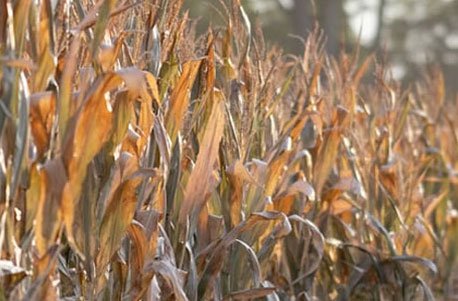

Jute is a major natural fiber crop grown mainly in South Asia, valued for its strong, biodegradable fibers that are extracted from the plant’s stem and used to produce packaging, textiles, ropes, carpets, and other sustainable products.
Jute is grown in warm, rainy regions with fertile alluvial soil. After harvesting, the plants are soaked in water to separate the fibers, which are then washed, dried, and processed into yarn and fabric. Modern processing techniques improve fiber quality and expand its use in both domestic and export markets.
Wheat is a globally important cereal crop from the genus Triticum, providing grain for flour, food, and animal feed, while its straw is used for bedding, roughage, and biomass across a wide range of climates.
Wheat grows best in cool to moderate climates with well-drained soil. After harvesting, the grain is cleaned, dried, and milled into flour or processed for animal feed. Modern storage and handling ensure quality and safety for domestic and export markets.
Rice (Oryza sativa) is a vital global staple crop grown in warm, water-rich regions, with harvested paddy milled into white or brown rice for food, feed, and processing.
Millets grow well in warm climates during the Kharif or Rabi seasons, require minimal inputs, and perform well in low-fertility soils, making them ideal for sustainable agriculture.
Millets grow best in well-drained soils when sown no deeper than 2 inches. They are drought-resistant, requiring only 10–30 inches of rainfall, and are naturally resistant to pests and diseases, reducing the need for chemical inputs.
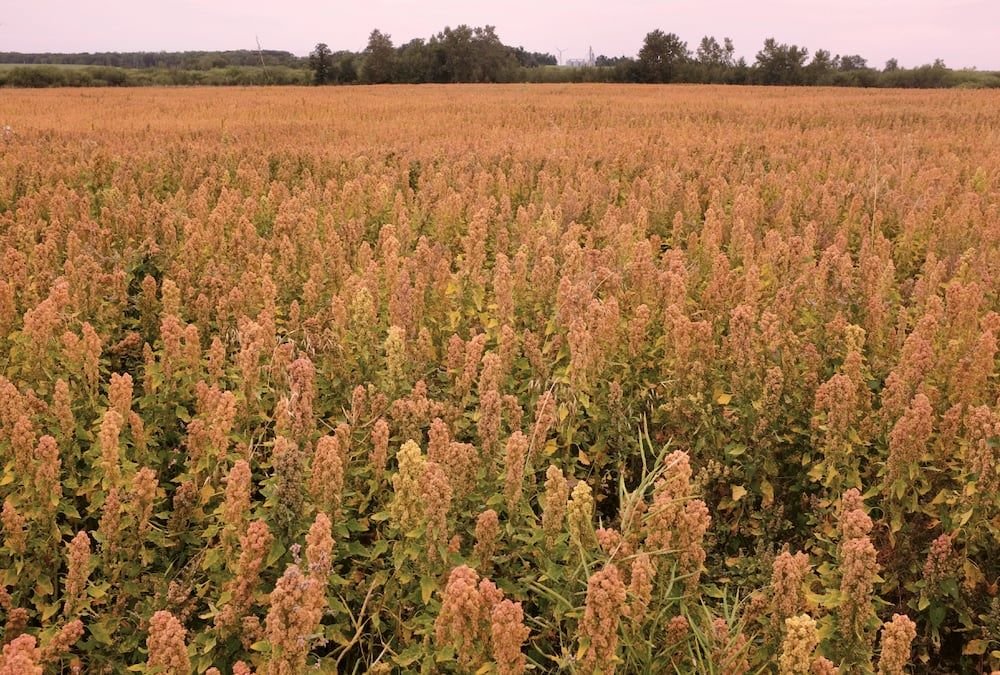
Quinoa is a pseudo-grain that is high in protein that has taken the world by storm. It has high protein, high fiber, gluten-free content.
Quinoa requires full sun with light shade in extreme heat and grows best in fertile, well-drained soil with a pH of 6.0–7.5.
Sow after the last frost when soil reaches about 60°F. The crop takes 90–120 days to mature.
Plant seeds in rows, lightly cover, and keep soil moist. Germination occurs in 4–5 days. Thin seedlings to 18 inches apart. Plants grow 4–8 feet tall depending on water availability.
Sorghum prefers well-drained soils and can be grown in a variety of soil types. Proper land preparation, including deep plowing and harrowing, is essential for optimal growth.
High-quality seeds should be selected from disease-free fields. The choice of variety may depend on regional climate and whether the crop is intended for grain or fodder.Â
Alfalfa grows best in well-drained loamy soils with a pH of 6.0–7.5 and requires full sun for optimal growth. It thrives at temperatures between 60°F and 75°F and adapts well across a wide range of climates.
Select a well-drained, weed-free site for alfalfa, which benefits from its deep taproot for drought tolerance. Seed at 18–20 lbs per acre for pure stands (15–16 lbs when mixed with grass), increasing by 10–20% for broadcast seeding. Sow seeds ¼–½ inch deep with 18–24 inch row spacing.
Alfalfa is a high-protein forage that supports livestock productivity, improves soil fertility through nitrogen fixation, and delivers strong economic returns through multiple annual harvests when properly managed.
Afforestation is the process of planting trees on land that was previously not covered by forests, such as barren, degraded, or unused land. It is one of the most effective ways to restore ecosystems, improve climate resilience, and promote sustainable land use.
Afforestation delivers strong environmental, economic, and social benefits by reducing carbon emissions, protecting ecosystems, creating rural employment, supporting timber and eco-tourism industries, improving agricultural productivity, enhancing public health, and promoting environmental sustainability.
Feed Industry
Food & Industrial
Guar (Cyamopsis tetragonoloba), or cluster bean, is a drought-tolerant legume widely grown in arid regions of India and Pakistan, valued for its seeds that produce guar gum used in food, textile, paper, and oil industries.
Guar is typically sown at the onset of the monsoon, from June to July. Seeds are sown using a seed drill or by broadcasting, maintaining a spacing of 30–45 cm between rows and 10–15 cm between plants. A seed rate of 15–20 kg per hectare is generally recommended.
Guar thrives in hot and dry climates, making it ideal for regions with minimal rainfall. The plant requires well-drained sandy loam soil with a pH range of 7 to 8. Although it is drought-resistant, excessive water or poorly drained soils can hinder growth and lead to root diseases.
The land should be plowed 2–3 times to achieve a fine tilth. Proper leveling and removal of weeds are essential. Organic manure, such as farmyard compost, can be mixed into the soil to enhance fertility.
Feed Industry
Food & Industrial
Garlic has strong global demand, with fresh and processed forms commanding premium prices, especially for organic varieties. Many producing countries export fresh, dried, and dehydrated garlic, creating valuable opportunities in international markets.
We use a balanced feeding program including:
This ensures:
This supports:
We use nutritionally balanced feeds including:
This ensures: